The message over the radio was brief, “Greg, come to the Donation Door.”
There was no explanation and no sense of urgency. I replied that I was on my way and started walking in that direction, expecting to greet a donor, answer a staff question, or receive some routine update.
When I arrived, I immediately understood why the message lacked details. The dumpster was on fire. It wasn’t a small fire that looked like it might burn itself out. The flames were growing more intense, sending thick smoke into the air and drawing the attention of everyone nearby.
Fortunately, the Dallas Fire Department arrived within minutes. Their response was quick, calm, and professional. They assessed the situation, contained the fire, extinguished it, and confirmed that no structural damage had occurred.
As I watched the firefighters work, I found myself thinking about leadership.
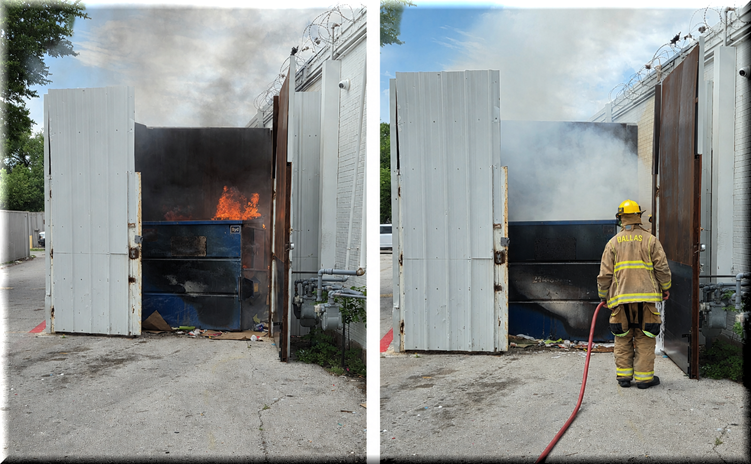
Called to the Fire
Leadership is often about being called to the fire.
When people think about leadership, they often picture inspiring speeches, innovative ideas, or strategic plans that move an organization forward. Those moments are important, but leadership is equally revealed in how we respond when unexpected challenges demand immediate attention.
Thankfully, most of the fires leaders face are not literal. Instead, they appear as conflict between team members, organizational crises, difficult conversations, or challenges that threaten to grow larger if ignored. Like a fire, these situations can emerge without warning and, if left unattended, cause lasting damage.
Wise leaders do everything they can to prevent fires. They build healthy cultures, establish clear expectations, and address concerns before they can develop into full-blown fires. Yet no organization, ministry, or business, can be made completely fireproof.
The question is not whether fires will occur, but how leaders will respond when they do. Real leaders are always ready to address difficult situations directly. They recognize the importance of assessing the situation, determining what is needed, and getting to work.
The firefighters provided a powerful example. They showed up, evaluated the situation, and took decisive action.
Great leadership does the same.
So What?
As a follower of the Way of Jesus, I am reminded that Jesus never avoided difficult places or difficult people. He moved toward need, engaged in uncomfortable conversations, and interacted with those others ignored.
Leadership is often measured by a person’s willingness to go where the need is greatest, even when that means walking straight into the fire.