Several months ago, Lifeway Research released a report titled Pastors in Different Protestant Traditions Face Unique Challenges, highlighting notable differences in the pastoral experience across three Protestant streams: Black, evangelical, and mainline.
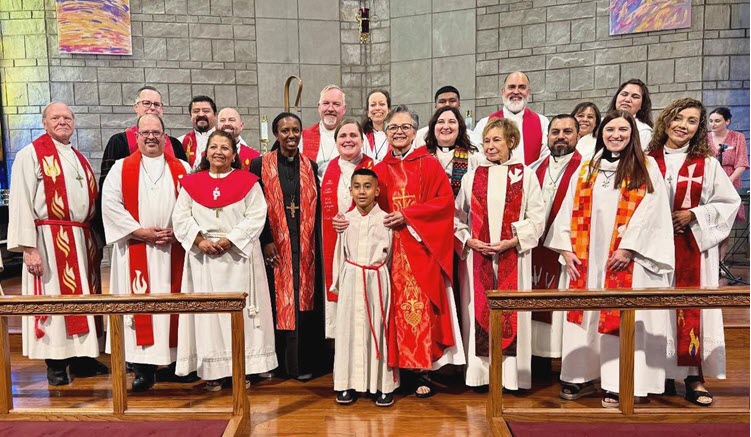
(Advent Lutheran Church, Arlington, Texas, June 1, 2025)
Reading as a mainline pastor, I found myself engaging the findings from within that particular context. Three statistics, in particular, stayed with me:
- First, mainline attrition (defined by Lifeway as “the percentage who leave the ministry for reasons other than retirement or death”) was significantly lower than in Black and evangelical traditions (0.8% compared to 1.2% for both).
- Second, mainline pastors reported substantially higher levels of conflict related to politics. Nearly one in three (31%) indicated they had experienced political conflict in their most recent congregation. By contrast, fewer than one in ten Black pastors (9%) and evangelical pastors (9%) reported the same.
- Third, among pastors with prior congregational experience, mainline clergy were more likely than their counterparts to say they left their previous church due to unrealistic expectations (29% compared to 17%).
Taken together, these findings offer a glimpse into both the resilience and the particular pressures shaping ministry in the mainline today.
So What?
Pastoring a local church has always been both challenging and rewarding. While the calling hasn’t changed, the most pressing challenges have shifted over time. Additionally, conflict has intensified in the years since the COVID-19 pandemic.
So what might these realities mean for your church? How might a clearer awareness of the patterns shaping the mainline pastoral experience help you name what you are experiencing locally? Perhaps this is an invitation to more honest conversation between pastors and parishioners and among lay leaders as you strive to create a shared vision for what faithful ministry looks like at this time in your context.