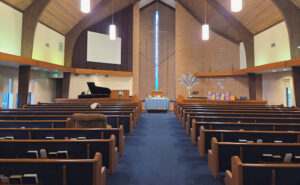
Ministry in 2026 bears little resemblance to ministry in previous generations. Every day brings new challenges alongside new opportunities for connection, service, and faithful witness. The pace of change is relentless leaving many congregations and church leaders feeling pressures unlike anything they have previously experienced. Recently, Justin Cox, an ordained minister with standing in the Cooperative Baptist Fellowship and American Baptist Churches USA, reflected on this reality in his Read More …
honesty
Public Perception – Clergy Ethics at All-Time Low (#1770)

Eight years ago I wrote about how clergy fared in an annual Gallup survey on the American public's views of the honesty and ethical standards of a variety of occupations. In 2010, I noted that "clergy ranked 7th among the professions surveyed. Just over half (53%) of all respondents rated the honesty and ethics of clergy as high or very high." From the start of the poll in the 1970s till 2010 the percentage of those rating clergy honesty and ethics as Read More …
Clergy = Not Trusted? (#1652)
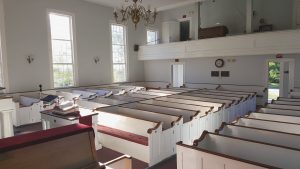
According to a recent Pew Research Center Report clergy and other religious leaders are not as trusted to act in the best interest of the public as are many other groups. More specifically, the percentage of American adults who say they have either "a great deal" or "a fair amount" of confidence that a group will act in the interest of the public follows: Medical Scientists - 84% Military - 79% Scientists - 76% K-12 Principals and Superintendents - 66% Religious Leaders - Read More …
Being Teen Online (#0972)
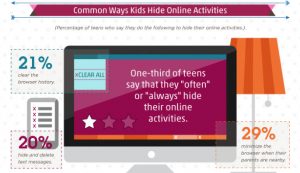
Zone Alarm recently posted an important infographic: The Secret Life of the Online Teenager. While more than 4 in 5 teens use social media and more than 95% of all teens are confident in their ability to stay safe online, the details of their online behavior offer parents, educators and other caring adults reasons to monitor the online actions of teens. More specifically, 69% openly reveal their physical locations 32% of teen girls and 24% of teen boys chat with strangers Read More …
An Honesty Experiment (#0879)
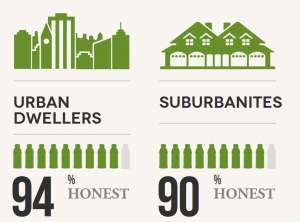
Are certain groups of people more honest than other groups? Honest Tea sought to answer that question via a 30 city experiment designed to test people's honesty. They sold their drinks at the price of $1 per bottle at unmanned pop-up stores then published the results as the National Honesty Index. The interactive National Honesty website allows users to view information about and compare different groups. For example, the image at right appeared when I Read More …